
The Thrill of Chance
The allure of casinos often stems from the excitement of chance. Many individuals are drawn to the unpredictable outcomes of games, which provide a rush of adrenaline and a sense of euphoria when wins occur. This thrill is a powerful psychological motivator, enticing players to engage in gaming behavior repeatedly. The anticipation of potential victory can lead to elevated levels of dopamine, a neurotransmitter associated with pleasure, effectively reinforcing the desire to gamble. Interestingly, players can also explore best online betting sites to further enhance their gaming experiences.
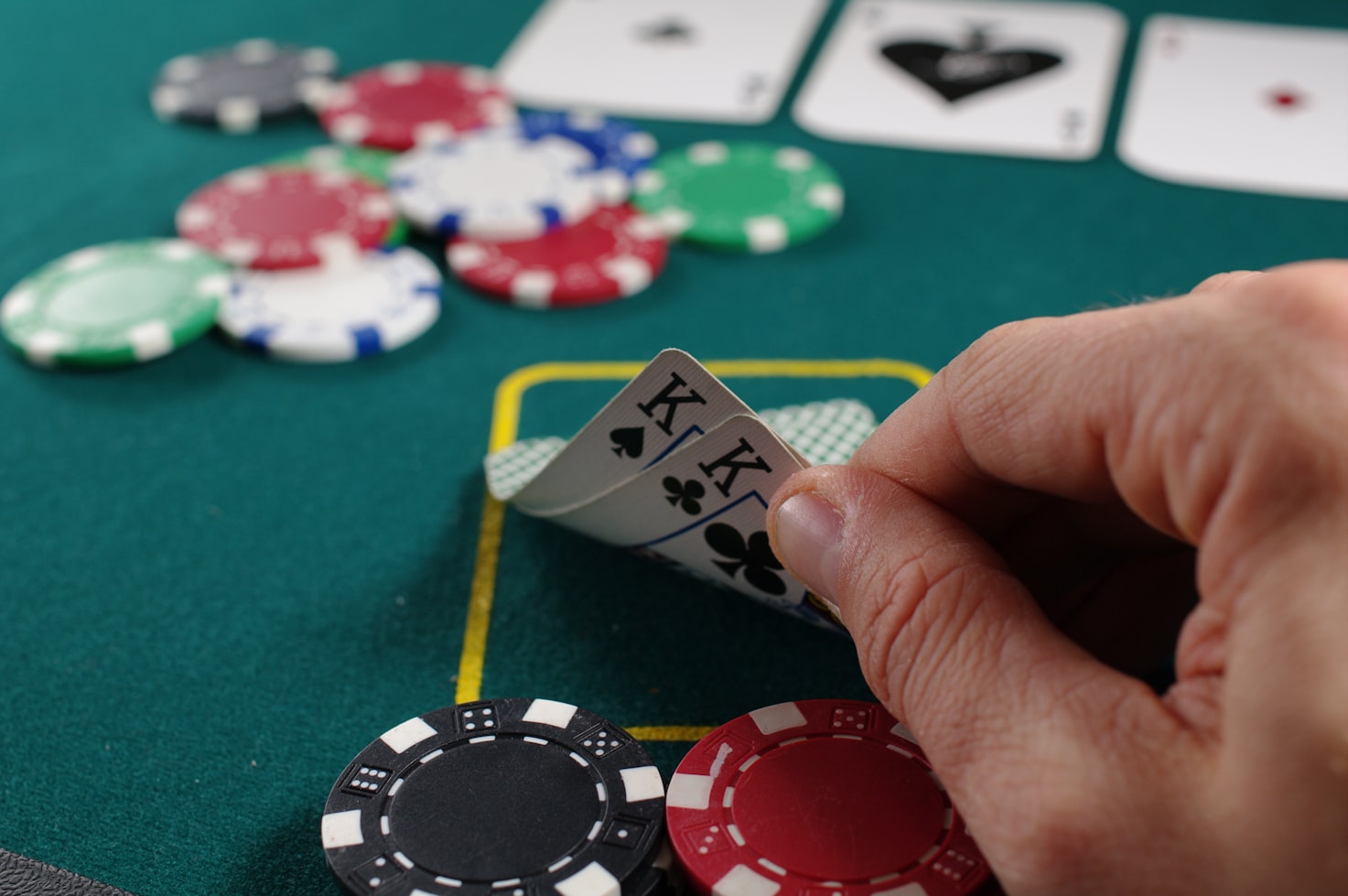
Moreover, the uncertainty involved in casino games creates a unique psychological experience. Many players may find themselves entranced by the possibility of hitting a jackpot or winning big. This feeling can overshadow the rational understanding of the odds, leading to a skewed perception of control over outcomes, often referred to as the illusion of control. This phenomenon further fuels the repeated engagement in gaming habits, as players may believe their choices can influence the results.
Social Factors and Community Dynamics
Casino gaming habits are also influenced by social interactions and community dynamics. For many, visiting a casino is not just about the games; it’s a social event where friendships are strengthened, and new connections are formed. The communal atmosphere fosters a sense of belonging, which can make gambling more appealing. Group dynamics often amplify the experience, making individuals more likely to participate due to peer influence.
In addition, the rise of online gaming platforms has transformed social interactions within the gambling community. Players can join virtual rooms to engage with others, share experiences, and compete against friends regardless of geographical barriers. This social connectivity can create a sense of camaraderie, reinforcing gaming habits as individuals seek to maintain relationships and engage with their peers through shared gaming experiences.
Behavioral Patterns and Gambling Addiction
The psychology behind casino gaming habits also delves into behavioral patterns that can lead to addiction. Some players may develop compulsive gambling behaviors, triggered by various psychological factors such as stress, anxiety, or a desire for escapism. These individuals might use gambling as a coping mechanism, which can quickly spiral into a problematic habit, despite negative consequences.
Importantly, understanding these behavioral patterns can aid in identifying those at risk for developing gambling addiction. Researchers continue to explore the signs of compulsive gambling and its psychological roots, focusing on intervention strategies that may help individuals regain control over their habits. This aspect of casino psychology is crucial in promoting responsible gaming and ensuring that the thrill of chance remains a fun, social activity rather than an uncontrollable compulsion.
The Role of Marketing and Environmental Factors
Casino environments are meticulously designed to enhance player engagement and promote gaming habits. From vibrant lights and sounds to enticing scents, every aspect is curated to keep players immersed and entertained. This strategic marketing approach exploits psychological triggers, creating an almost hypnotic environment that can make it challenging for individuals to leave without playing more.
Additionally, loyalty programs and rewards systems are implemented to incentivize repeated visits and prolonged play. These programs tap into the psychological concept of variable rewards, where unpredictable rewards can be more compelling than consistent ones. This unpredictability can lead to players returning more often, reinforcing their gaming habits over time and making it essential for casino operators to continually innovate their marketing strategies to maintain player interest.

The Balance of Enjoyment and Responsibility
As we explore the psychology behind casino gaming habits, it’s crucial to address the balance between enjoyment and responsibility. While many people enjoy gambling as a form of entertainment, maintaining awareness of the psychological elements at play can help prevent potential negative outcomes. Responsible gaming practices encourage individuals to set limits, both in time and budget, fostering a healthier approach to gambling.
In conclusion, understanding the underlying psychological mechanisms driving casino gaming habits can empower players to make informed choices. By emphasizing responsible gaming, casinos and players alike can contribute to a more enjoyable and sustainable gaming experience. This aligns with the mission of websites dedicated to promoting safe gambling practices, offering resources, support, and tools to ensure that the thrill of the game remains a source of enjoyment without crossing into the realm of addiction.
